What is the Subak System? Understanding Bali's Ancient Irrigation
The lush green rice terraces of Bali aren't just beautiful—they are a marvel of ancient engineering and community cooperation known as the Subak system.
More Than Just Irrigation
If you have ever gazed at the cascading green rice terraces of Bali, you have witnessed the Subak system in action. Recognized by UNESCO as a World Heritage concept, the Subak is often described simply as an irrigation system. However, for the Balinese people, it is a complex social, religious, and agricultural ecosystem that has sustained the island for over a thousand years.
When you join our Authentic Pejeng Cycling Tour, you will cycle directly through these ancient waterways, and our local guides will show you exactly how this incredible system functions.
The Philosophy of Tri Hita Karana
The Subak system is deeply rooted in the Balinese philosophy of *Tri Hita Karana*, which translates to the "three causes of well-being." This philosophy dictates that harmony must be maintained between three realms: 1. Humans and God (Parahyangan) 2. Humans and Humans (Pawongan) 3. Humans and Nature (Palemahan)
In the context of the Subak, this means that water is not viewed as a commodity to be hoarded, but as a divine gift from the goddess of water, Dewi Danu.
How the Subak Works
At its core, a Subak is a cooperative organization of farmers who share water from a single source, usually a river or a spring.
Water is directed from the source through a network of canals, tunnels (often dug by hand through solid rock), and bamboo pipes. The water flows into a primary temple, where it is blessed before cascading down through the terraces. Every farmer in the Subak gets exactly what they need—no more, no less. If a farmer at the top of the hill takes too much water, the farmers at the bottom will suffer, and the entire cooperative will intervene to restore balance.
The Role of Water Temples
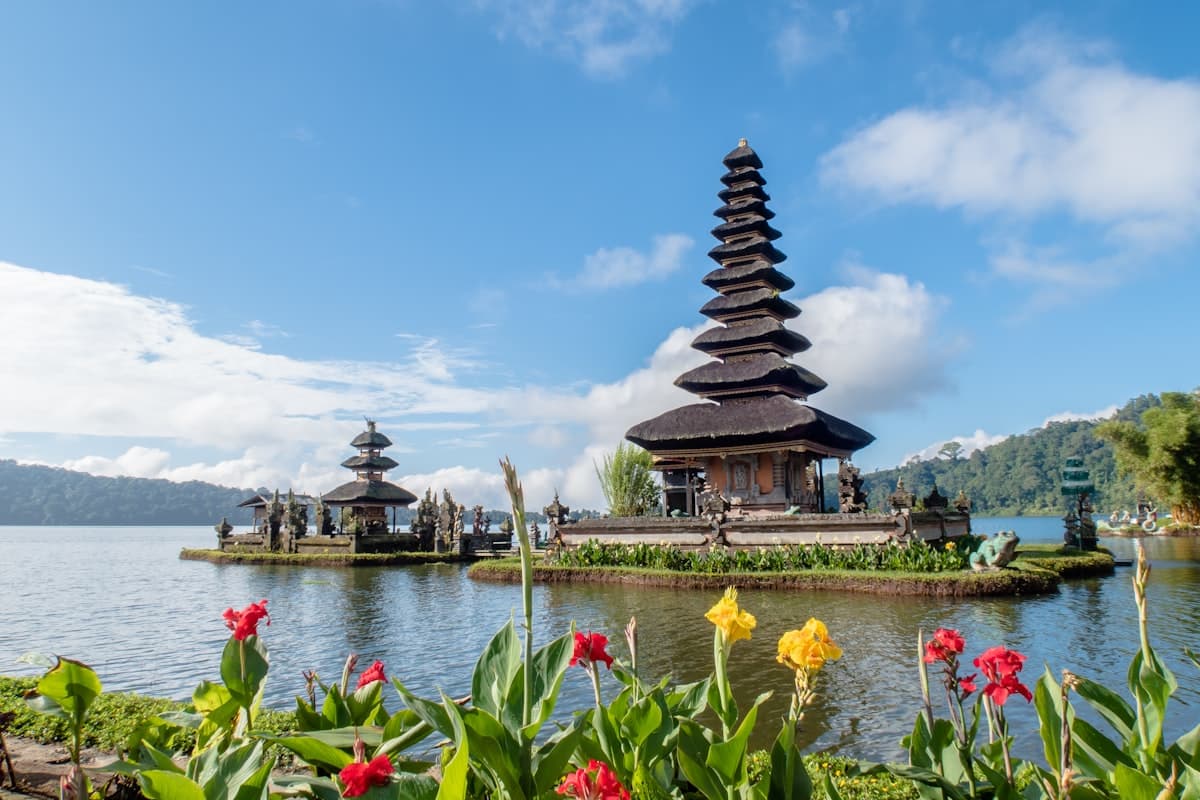
You cannot have a Subak without a water temple. Every Subak cooperative is anchored by a *Pura Ulun Suwi* (water temple), where farmers gather to pray, make offerings, and coordinate planting schedules. By synchronizing their planting and harvesting across massive areas of land, the farmers naturally control pests without the need for chemical pesticides!
See It For Yourself
The best way to understand the scale and genius of the Subak is to experience it at a slow pace. As you cycle along the narrow mud paths separating the paddies on our tour, you'll hear the gentle babble of water flowing from terrace to terrace, and you'll likely spot farmers making small offerings of rice and flowers (*canang sari*) at the edge of their fields.
Ready to see this living heritage up close? Join us in Pejeng and cycle through the heart of Bali's ancient Subak!
Ready to create memories that will last a lifetime? Check out our full range of authentic adventures at Sekar Bali Experiences.